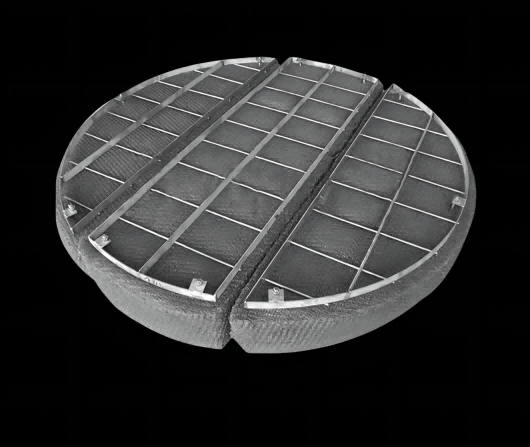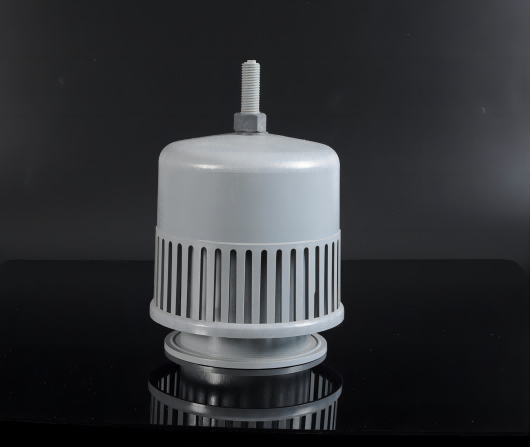

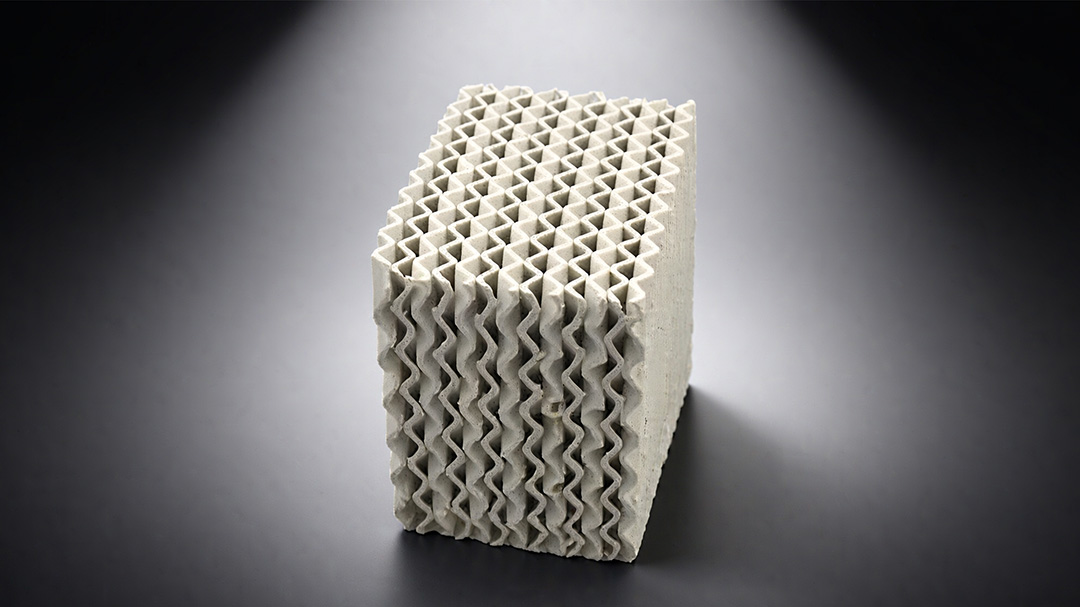
Figure 1: Ceramic structured packing (250Y/350Y corrugated sheets) — used where metal fails from hot acid and plastic melts.
Engineer's Brief: Ceramic structured packing combines the high separation efficiency of corrugated-sheet geometry with the thermal and chemical resistance of engineered ceramics. It fills the gap between ceramic random packing (low efficiency, high HETP) and metal structured packing (fails above ~400°C or in hot concentrated acid). FXSINO manufactures and custom-fabricates ceramic structured modules in standard 250Y/350Y/500Y geometries, with optional acid-resistant glaze for aggressive services.
Three conditions define the "sweet spot" for ceramic structured packing:
Outside this window, metal or plastic options are cheaper and easier to handle. Ceramic is a specialty solution, not a default.
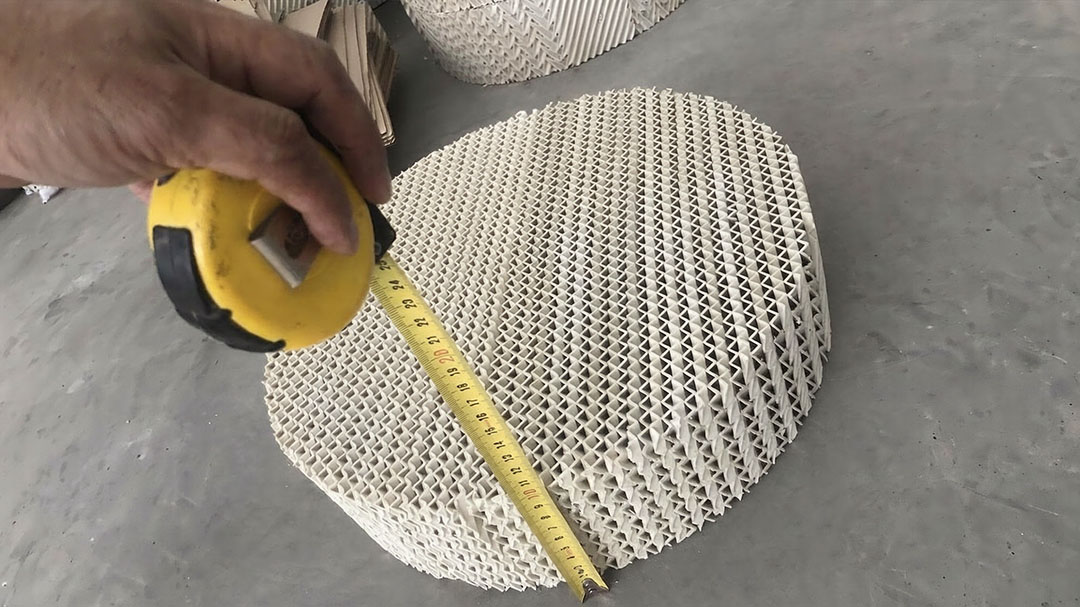
Figure 2: 45° corrugated channels create cross-flow mixing; glazed surface reduces wetting resistance and fouling adhesion.
Engineered alumina and silica-based ceramics used in tower packing typically handle:
| Ceramic type | Continuous service | Peak / short-term | Thermal shock resistance |
|---|---|---|---|
| Standard porcelain | ~200–250°C | ~300°C | Poor — avoid rapid ΔT >50°C |
| High-alumina (95%) | ~400–450°C | ~600°C | Moderate — tolerate 100°C/min ramp |
| Silicon carbide (SiC) | ~800–1000°C | ~1200°C | Excellent — used in thermal oxidizers |
| Quartz / fused silica | ~1000°C+ | ~1200°C | Excellent — near-zero thermal expansion |
Values are generic ceramic engineering data; confirm exact grade with FXSINO batch cert for your service temperature.
| Medium | Porcelain | High-alumina | SiC |
|---|---|---|---|
| Hot H₂SO₄ (>70%, >150°C) | Excellent | Excellent | Excellent |
| Hot HNO₃ (>50%, >100°C) | Excellent | Excellent | Good |
| HCl / Cl₂ (wet, hot) | Good | Excellent | Excellent |
| HF / fluoride | Poor (attacks SiO₂) | Poor | Poor |
| Alkaline (NaOH >10%) | Poor (glaze attack) | Moderate | Good |
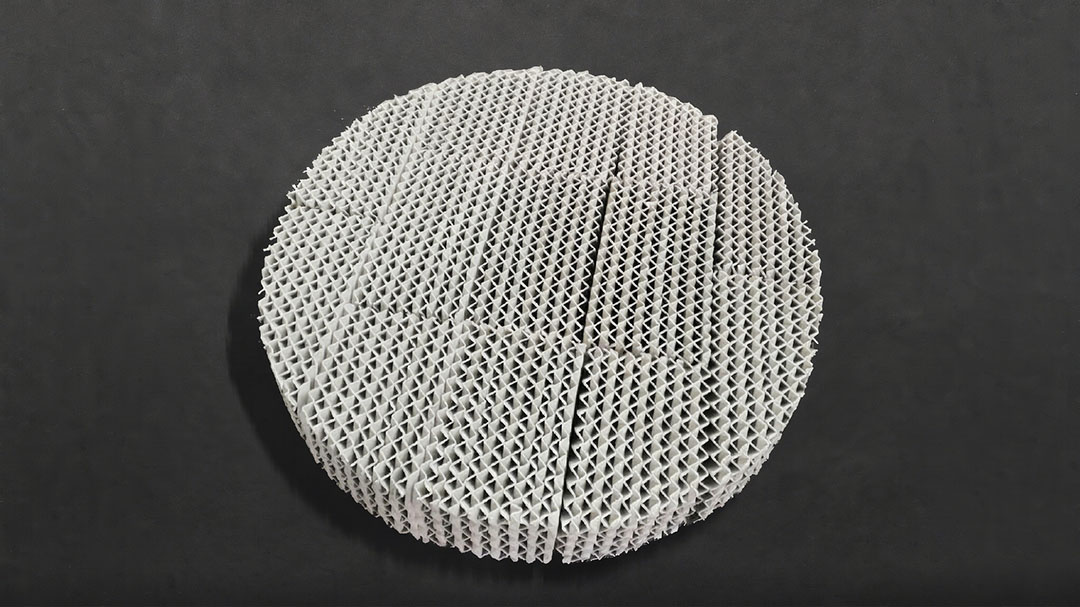
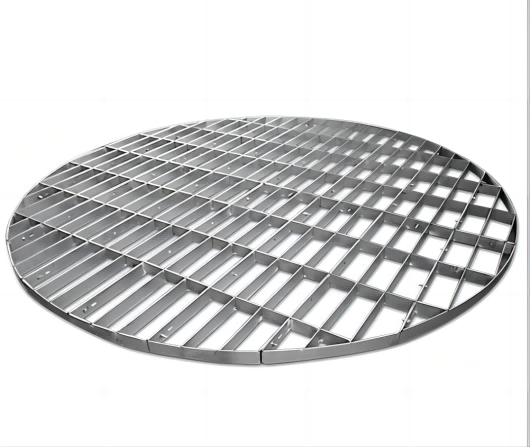
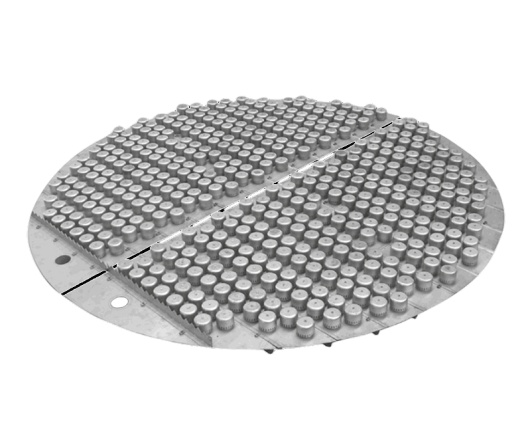
Figure 3: Stacked ceramic modules on reinforced support grid — note soft interface pads and alignment guides to prevent edge chipping.
| Option | Max temp | Acid resistance | HETP (m) | Cost index |
|---|---|---|---|---|
| Ceramic random (Raschig/saddle) | ~200°C | Good | 0.6–1.2 | 1× (baseline) |
| Ceramic structured (250Y) | ~400°C (alumina) | Excellent | 0.2–0.35 | 3–5× |
| Metal structured (SS316L) | ~400°C | Limited by alloy | 0.15–0.3 | 2–3× |
| PTFE/PVDF structured | ~150–200°C | Excellent | 0.2–0.4 | 5–8× |
| SiC structured | ~1000°C | Excellent | 0.2–0.35 | 10–15× |
Cost index relative to ceramic random packing; actual quote depends on module size, ceramic grade and volume.
| Model | Surface area (m²/m³) | Void fraction (%) | Bulk density (kg/m³) | Typical HETP (m) |
|---|---|---|---|---|
| 125Y | 125 | ~98 | ~350 | 0.4–0.6 |
| 250Y | 250 | ~97 | ~450 | 0.2–0.35 |
| 350Y | 350 | ~95 | ~550 | 0.15–0.25 |
| 500Y | 500 | ~93 | ~650 | 0.1–0.2 |
Replace with FXSINO measured values before publication; HETP varies with system, F-factor and L/G ratio.
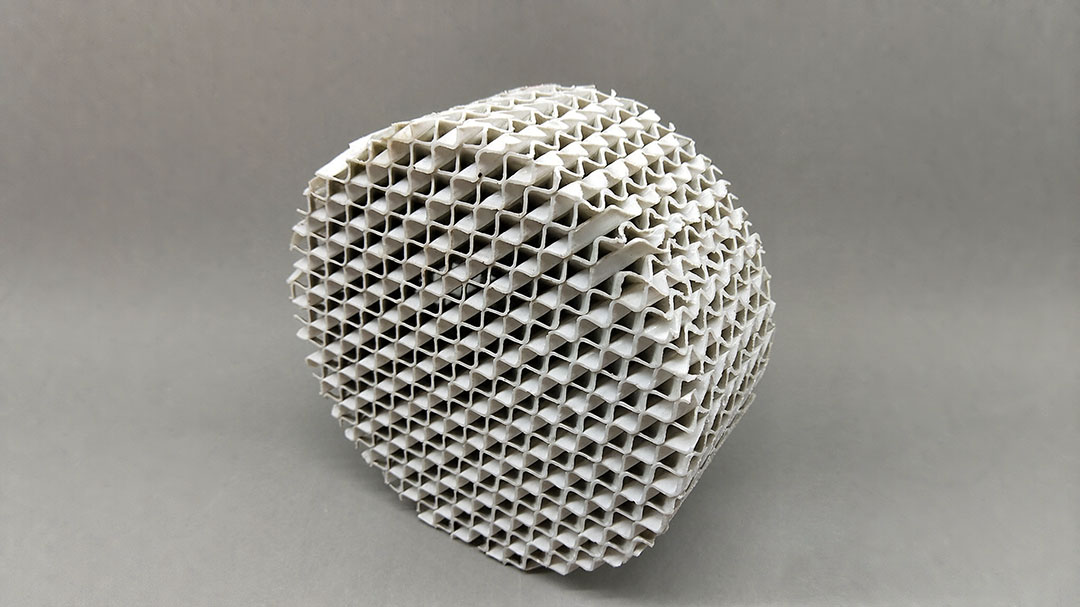
Figure 4: Module stacking sequence — each tier offset by 90° to promote cross-mixing; soft pads between metal flanges prevent stress concentration.
Q: Will ceramic structured packing crack from thermal shock during startup?
A: Standard porcelain can crack if ΔT exceeds 50°C/h. High-alumina and SiC grades tolerate 100–200°C/h. Always follow a controlled heat-up curve; insulate the shell to reduce radial gradient.
Q: Can I use ceramic structured packing in a vacuum column?
A: Yes, but pressure drop per stage is slightly higher than metal wire-gauze packing. For deep vacuum (<50 mbar) with tight HETP, compare against metal wire mesh structured packing if temperature permits. Ceramic is preferred when hot acid rules out metal.
Q: How does ceramic structured compare to ceramic random packing in the same tower?
A: Structured gives 2–4× better separation per meter, lower pressure drop per theoretical stage, and more predictable hydraulics. Random packing is cheaper and tolerates more solids, but you need 2–3× the bed height to get the same number of stages.
FXSINO is a manufacturer of ceramic and metal tower packing, structured packing, and column internals. We fabricate ceramic structured modules to your tower ID, ceramic grade (porcelain/alumina/SiC), and corrugation angle. Full package includes support grids, distributors, bed limiters and redistributors.
Email: jackieqiu9202@gmail.com | +86 18507999558
 Indirizzo
: Intersection of Jinguang Avenue and Chongqing Middle Road, Anyuan Industrial Park, Anyuan District, Pingxiang City, Jiangxi
 tel
: +86-18507999558
 E-mail
: sales@fxsino.com
 WhatsApp
:
+86-18507999558
 Rete IPv6 supportata
Mappa del sito
| XML | blog
| politica sulla riservatezza